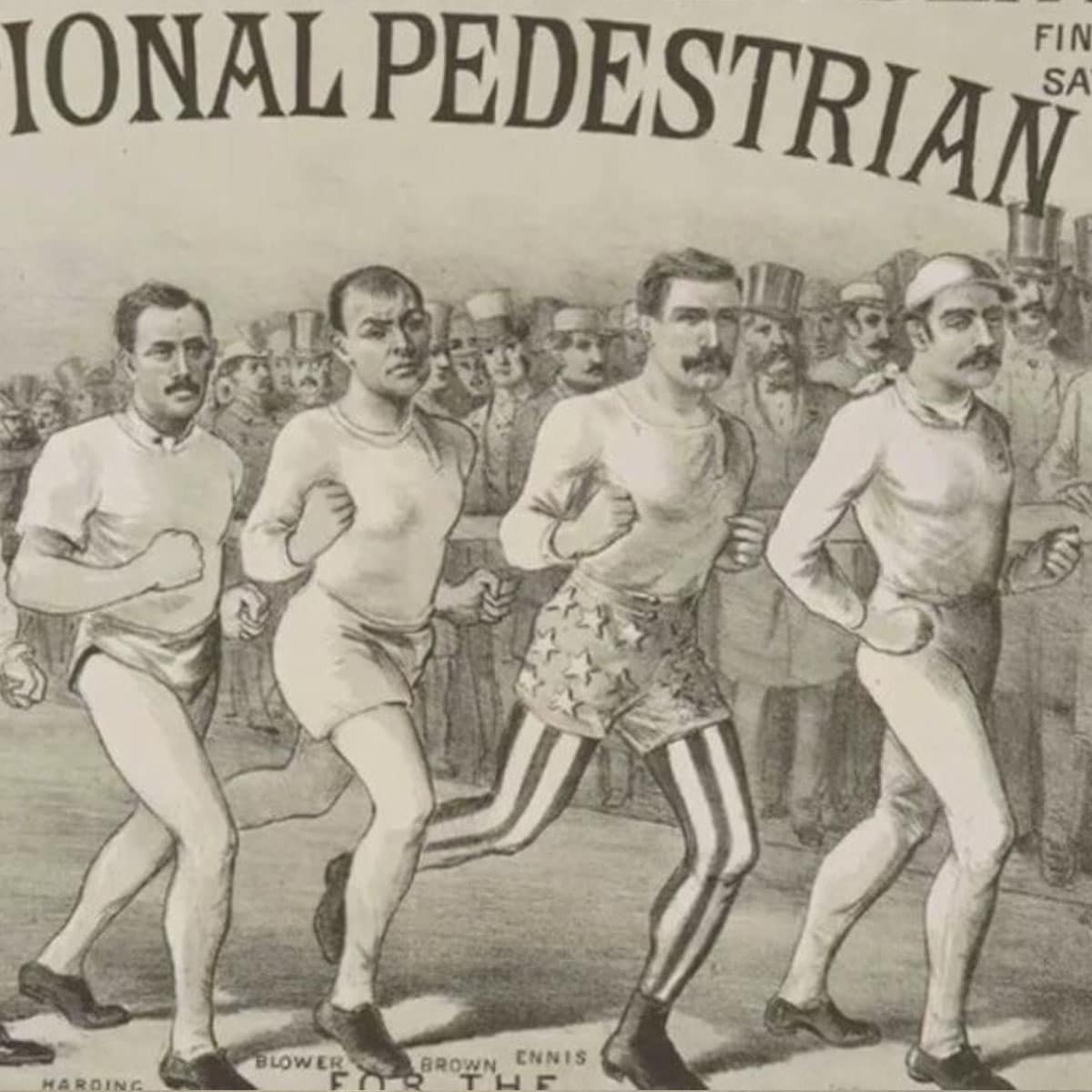

The number 6 is a historical cornerstone of endurance sports, defining the 6-Day Race—the original format of competitive ultrarunning and cycling. Emerging in the 1870s during the “Pedestrianism” craze, the 6-day duration was born from a social necessity: it allowed athletes to compete for the maximum possible time while respecting Sunday “Blue Laws,” which prohibited sporting events on the Sabbath.
In the theater of modern endurance, 6 also serves as a critical intensity and duration metric. A 6-hour event is widely considered the entry point into true “timed” ultra-endurance racing, challenging athletes to accumulate as much distance as possible within a fixed window. Physiologically, Zone 3/4 training—often described as the “6 out of 10” effort on the Rate of Perceived Exertion (RPE) scale. Whether it is a nod to the Victorian “Pedestrians” who covered countless miles in a single week or the modern ultra, 6 is the number that bridges the gap between a long day and a true test of human survival.