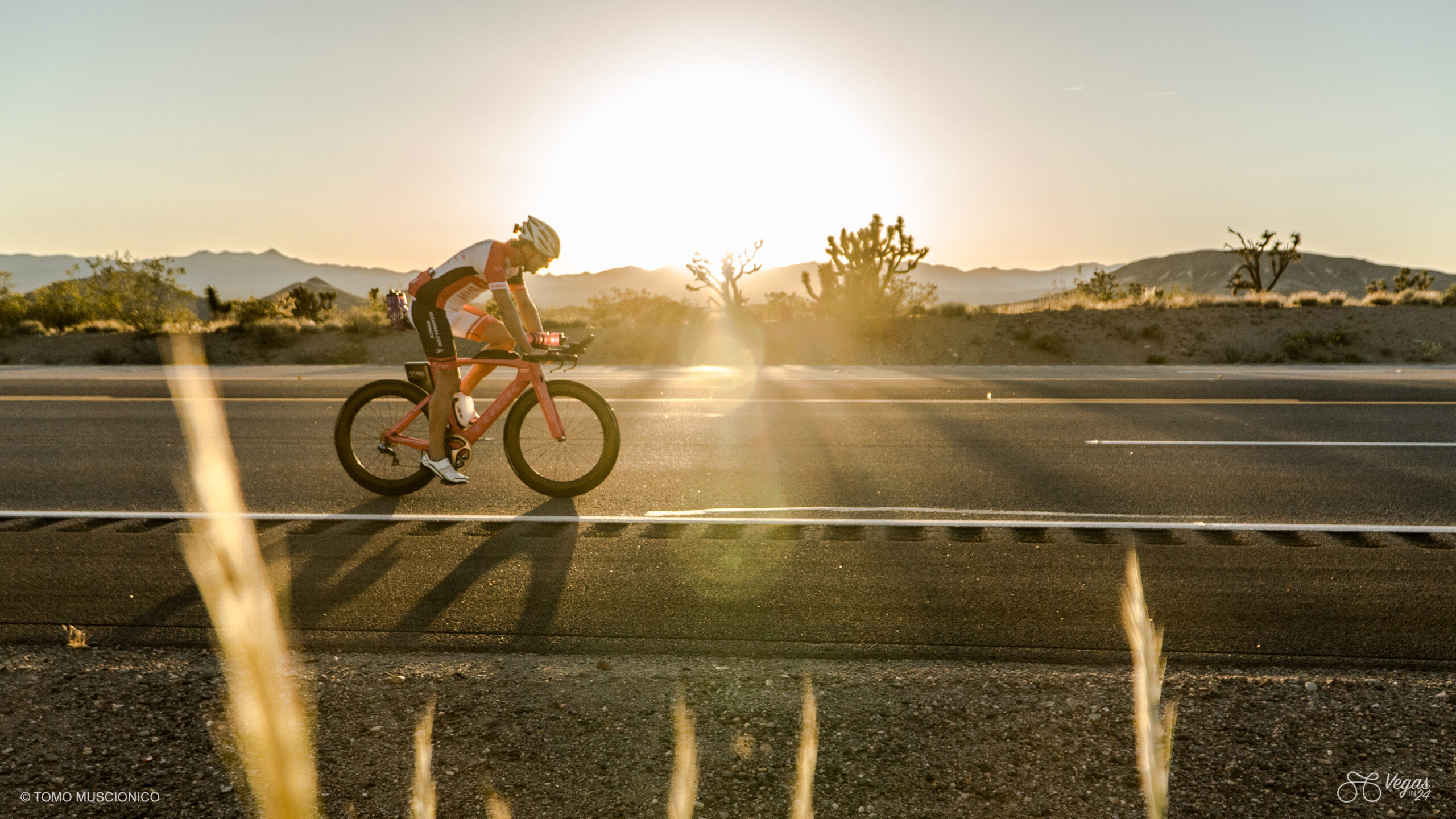
In the multi-sport lexicon, 56 refers specifically to the 56-mile (90.1 km) cycling leg of a 70.3 o Half-Ironman triathlon. Positioned between a 1.2-mile swim and a 13.1-mile run, the 56-mile ride is often described as the “moving day” of the race. It is the segment where the podium is shaped and where the most critical mistakes in fueling strategy occur. Unlike shorter sprint or Olympic distances where an athlete can “muscle through” on stored glycogen, 56 miles requires a disciplined approach to exogenous caloric intake and hydration to avoid a catastrophic “bonk” during the concluding half-marathon.
The number 56 represents a unique physiological challenge: it is long enough to require significant aerobic efficiency, yet short enough to be ridden at a high percentage of an athlete’s Functional Threshold Power (FTP)—typically between 75% and 85%. Because drafting is strictly prohibited in most 70.3 events, the 56-mile leg is a solo endeavor against the wind and the clock. Athletes must balance the desire for a fast “split” with the mechanical necessity of keeping the legs fresh for the run. Mastery of the 56-mile distance is less about raw speed and more about energy management and maintaining an aerodynamic “tuck” for two to three hours of sustained output.