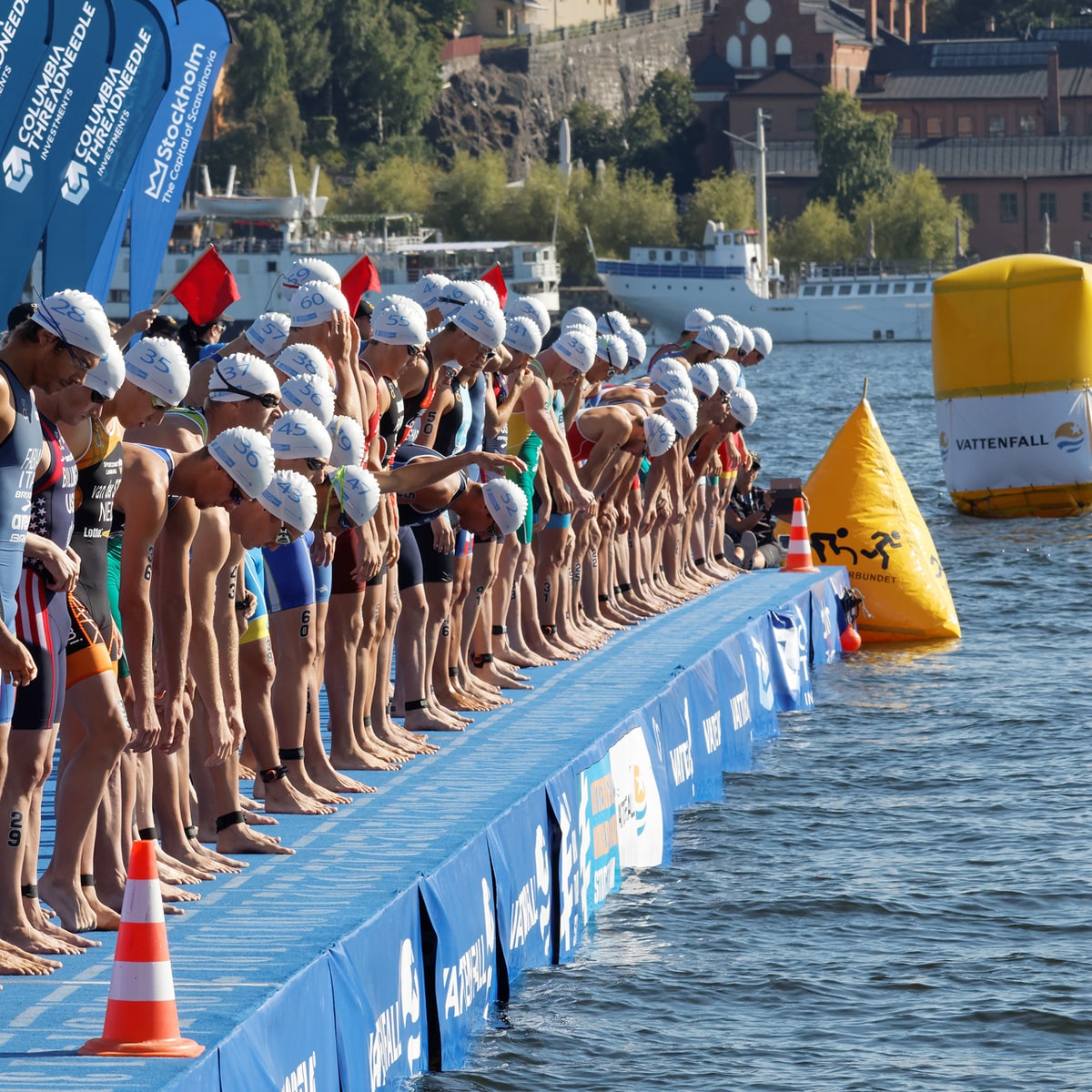

In the architecture of open-water events, a dock is a stable or floating platform that serves as a critical interface between land and water. While often perceived as a simple wooden or composite structure, the dock is a tactical high-ground. It functions as the primary launchpad for deep-water starts, the timing threshold for swim finishes, and the re-entry point for multi-loop courses.
The utility of a dock varies significantly based on the race format and the body of water. In long-distance swims, the dock can act as a “feed station” where support teams utilize long reaching poles to provide nutrition and hydration to athletes without them needing to exit the water. In technical transitions, a dock might be equipped with a ramp or “swim exit” stairs, where volunteers assist exhausted swimmers in regaining their land legs. The physical composition of the dock—whether it is a fixed pier in a coastal bay or a modular floating system in a lake—dictates the entry style, ranging from a jump, controlled “sit-and-slide” to an explosive dive, each requiring their own specific technique.
Beyond the athletes, the dock can serve as the epicenter of spectator energy. It provides a unique vantage point for coaches and families to monitor positioning during a multi-loop course. In triathlon events like Norseman or Escape from Alcatraz, the jump from a ferry into deep water is a symbolic rite of passage, marking the official start of the race. Regardless of its size, a dock remains the most important piece of “non-moving” equipment in an open-water event, serving as both the gatekeeper and the finish line for the aquatic discipline.