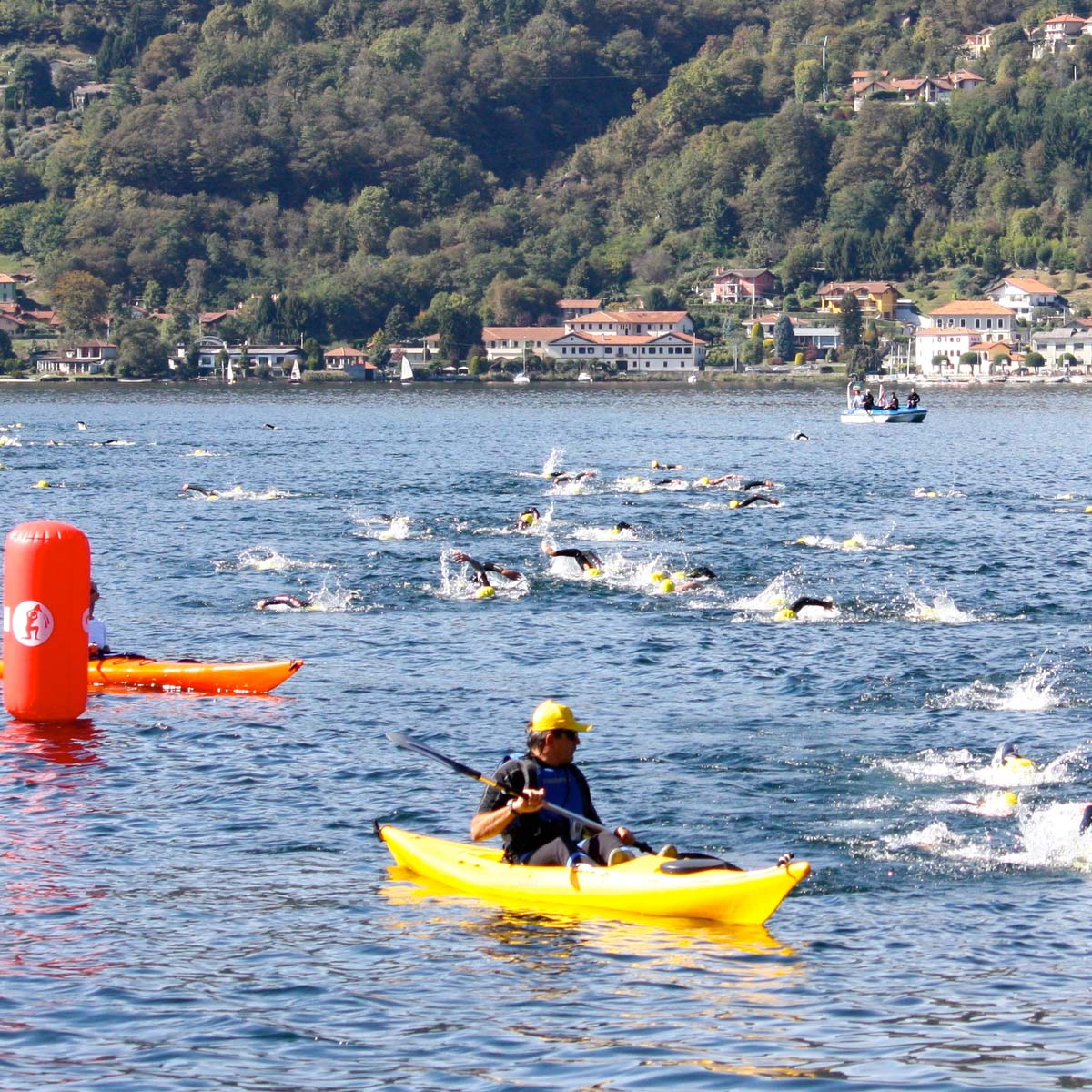
While primarily associated with the safety of open-water swimmers, the term Escort defines any supportive entity—human, vessel, or vehicle—that accompanies an athlete to provide navigation, protection, and logistical sustainment. In the water, an escort typically consists of a kayaker, paddleboarder, or small motorized boat that serves as the athlete’s eyes and in certain open water races, as a “mobile aid station.” Their role is to ensure the swimmer maintains a straight line between buoys, monitor for signs of hypothermia or distress, and provide nutrition without the athlete ever touching the craft. For an athlete tackling a channel crossing or a marathon swim, the relationship with their escort is a critical component of their race-day strategy; a skilled escort can shave significant time off a swim simply by mastering the nuances of current and sighting.
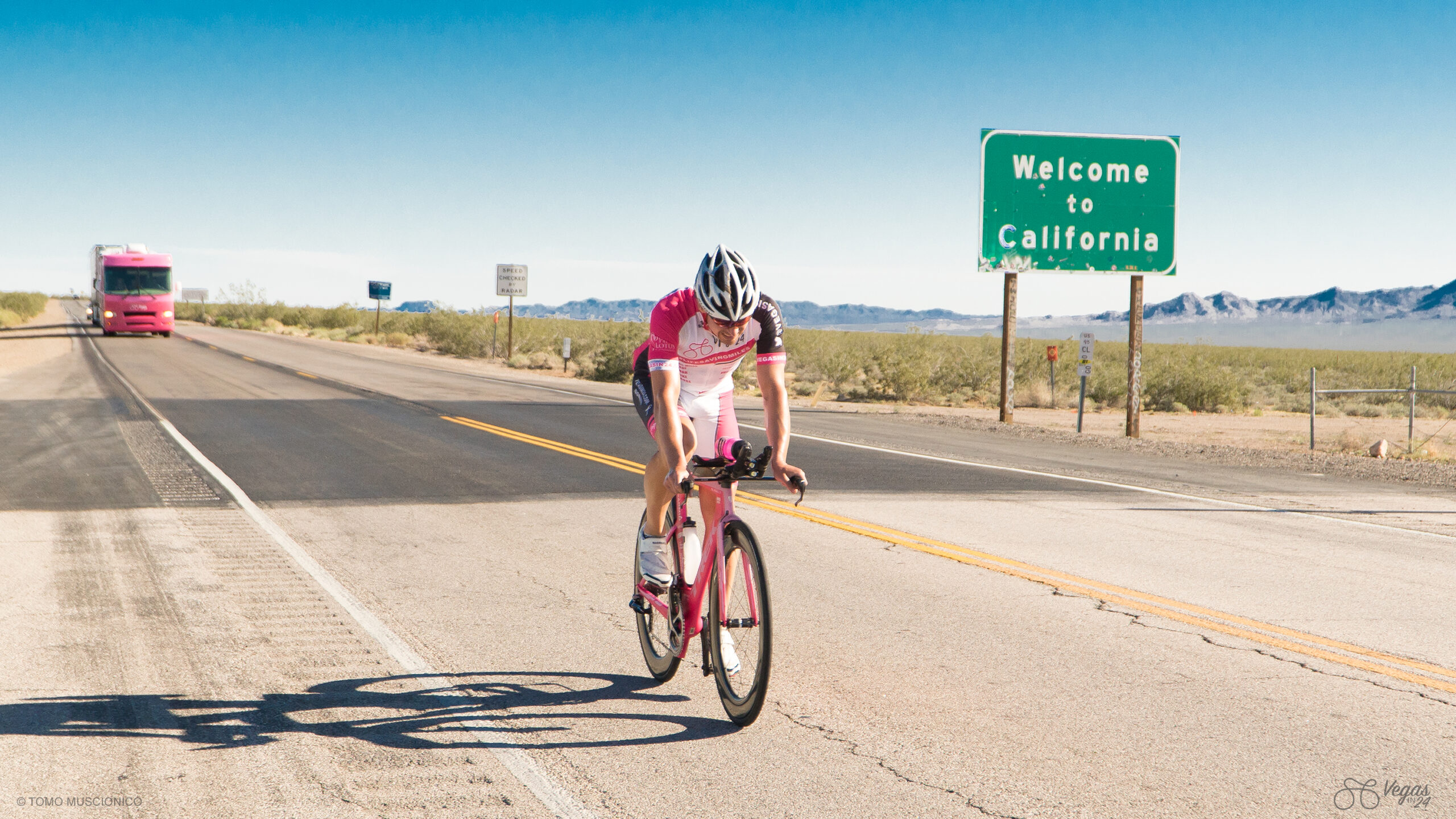
The concept of an escort extends to land-based endurance as well, though the terminology shifts slightly to match the environment. In ultra-marathons and desert endurance challenges, “escort” often refers to a “pacer” who accompanies the athlete through critical, high-risk or remote sections. In professional road cycling and large-scale triathlons, the term is frequently applied to the motorcycle escorts—officials, photographers, or marshals who lead the peloton or clear the path ahead of the lead rider. These escorts ensure the course remains secure from outside traffic and maintain the “neutral zone” during the start of a professional cycling stage. Unlike a “neutral support” car, which exists solely to provide mechanical aid like spare wheels, an escort is a dynamic guide focused on the safety and directional integrity of the race.