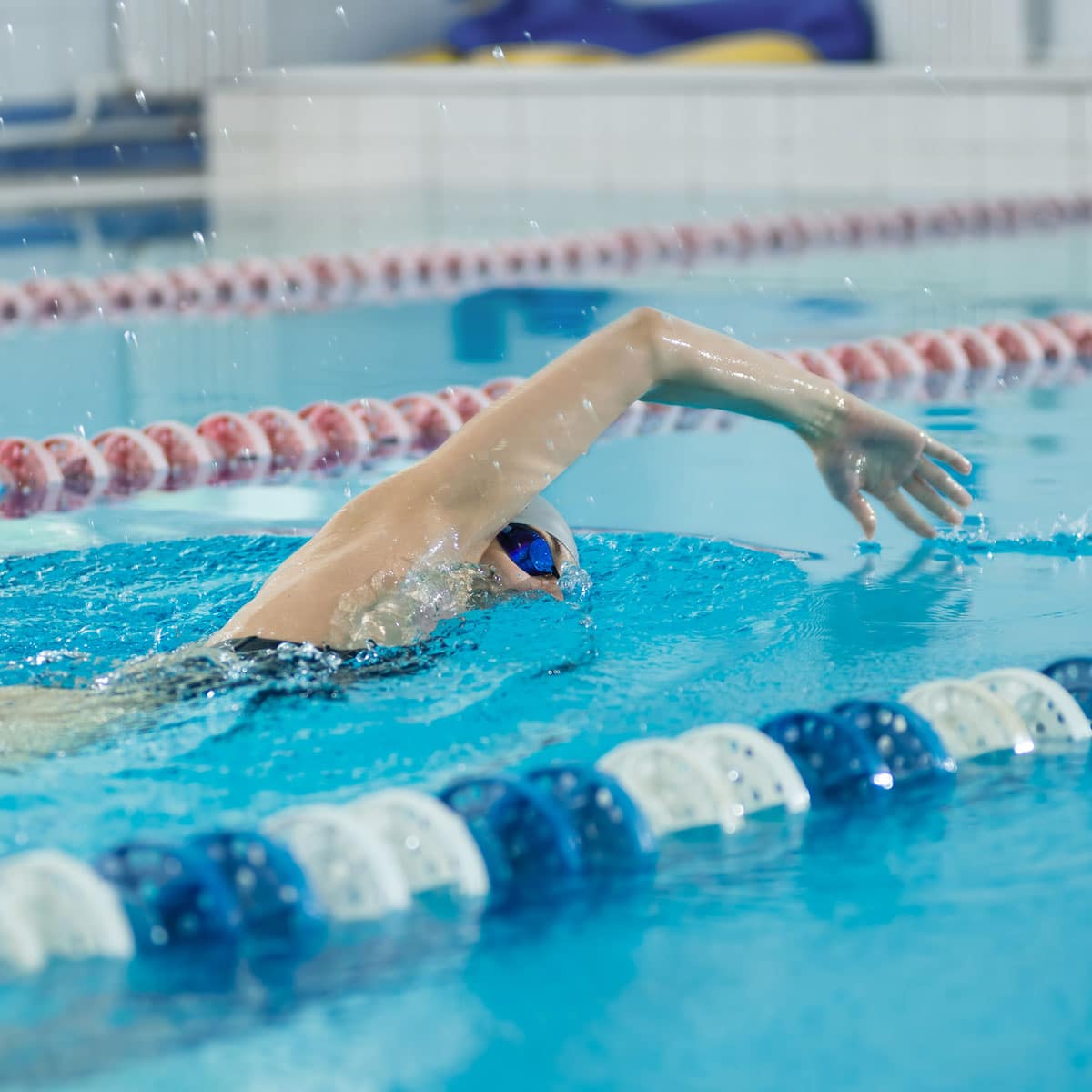
In swimming technique, the hand entry is the precise moment the hand pierces the surface of the water to begin the underwater phase of the stroke. Proper entry is the foundation of a powerful “catch” and pull; it requires the hand to enter at a slight downward angle, usually between the head and the full extension of the arm. In the freestyle stroke, the hand should enter shoulder-width apart—imagine reaching into two parallel tracks—with the fingertips leading and the palm angled slightly outward. This “clean” entry prevents the common tactical error of crossing the body’s midline, which causes the hips to fish-tail while increasing lateral drag.
A proper hand entry is about silence and surface tension. A “splashing” entry often traps air bubbles around the hand, which reduces the friction and “grip” the swimmer has on the water during the subsequent pull phase. By entering the water with the fingertips first and keeping the elbow higher than the wrist, the athlete preserves a streamlined profile and sets the arm in the optimal “Early Vertical Forearm” (EVF) position. This minimizes frontal resistance and ensures that every ounce of energy expended is converted into forward propulsion rather than fighting turbulence.
To master this phase, coaches frequently utilize “fingertip drag” drills, where the swimmer maintains constant contact with the water’s surface during the recovery, or “catch-up” drills to focus on the timing of the entry. For the endurance swimmer, a disciplined hand entry is not just about speed—it is about shoulder longevity. A stable, wide entry reduces the torque on the rotator cuff, allowing the athlete to maintain a high stroke rate over kilometers of open water without degradation of form.