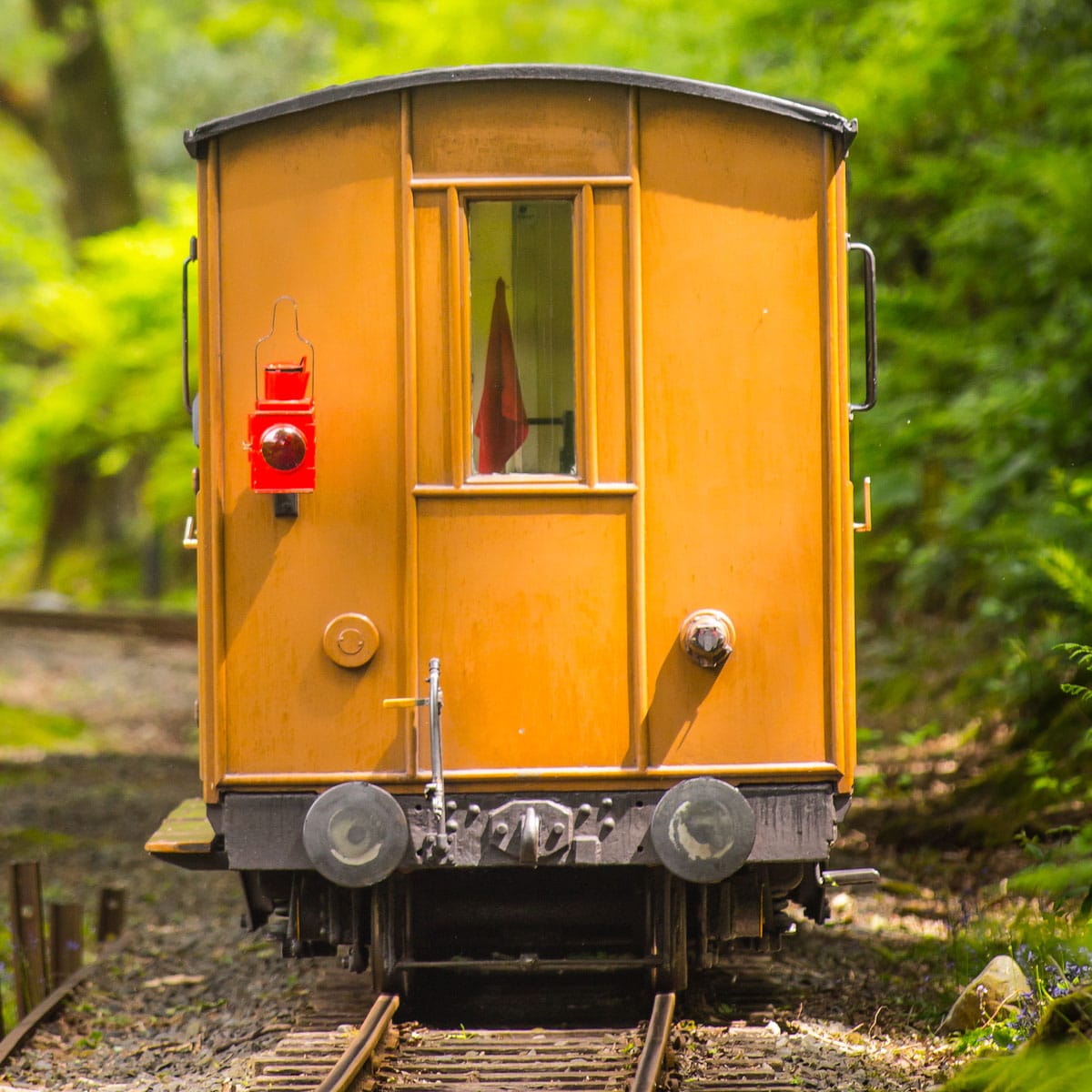
The Lanterne Rouge (translated from French as “Red Lantern”) is the title given to the rider who occupies the final position in the General Classification of a stage race, most famously the Tour de France. The term originates from the 19th-century railway tradition where a red light was hung on the rear car of a train to signal to signalmen that the train was intact and no cars had become detached. In cycling, the Lanterne Rouge serves a similar symbolic purpose: it represents the “tail light” of the peloton, the rider who has endured every kilometer of the race but sits at the very bottom of the time standings.
Historically, being the Lanterne Rouge was a position of surprising prestige and commercial value. In the mid-20th century, the last-place rider often earned more in appearance fees for post-Tour “criteriums” than those finishing in the middle of the pack, as fans developed a deep affection for the “ultimate survivor.” This led to a bizarre tactical phenomenon where riders at the back of the race would actively compete to lose time—hiding behind bushes or stopping for coffee—to ensure they finished last without exceeding the “time cut” (the delai) and being disqualified. Today, while the official “race for the bottom” is largely a piece of history, the title remains a respected symbol of resilience, marking the athlete who suffered the most, for the longest, just to reach the finish line.
Physiologically, the Lanterne Rouge is often an unsung hero of the team. These riders are typically “domestiques” or sprinters who have spent the entire race fetching bottles, shielding their leaders from the wind, or laboring through mountain stages that do not suit their physiology. To finish as the Lanterne Rouge is knowing when to shut down the engine just enough to survive the day’s time cut so they can return to work for the team the following morning.