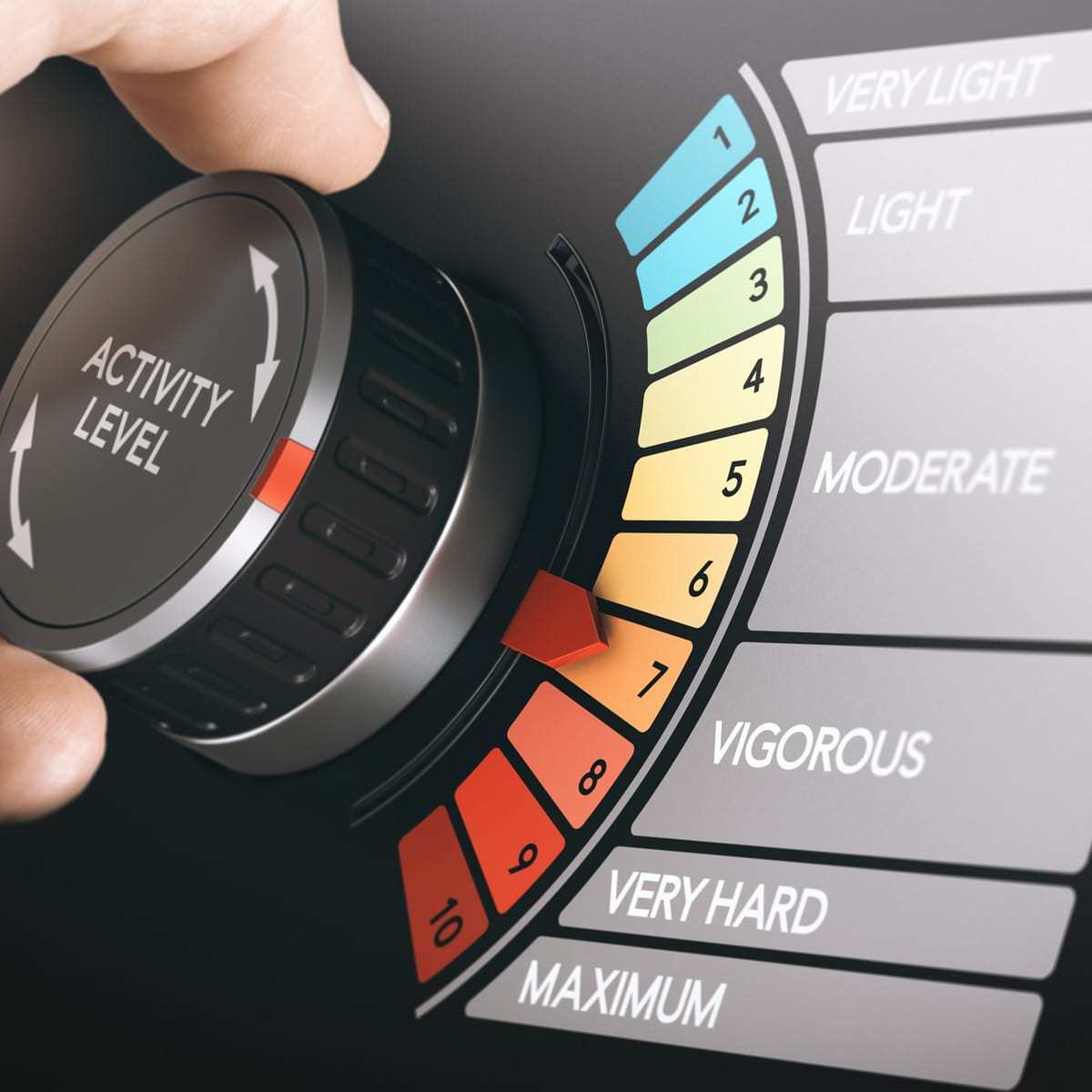
Rate of Perceived Exertion (RPE) is a subjective scale used by athletes to measure the intensity of their physical effort. While objective metrics like power, pace, and heart rate provide the “what” of a workout, RPE provides the “how.” The scale typically ranges from 1 to 10 (or the Borg scale of 6 to 20), where a 1 represents resting on a couch and a 10 represents a maximum, “eyes-back-of-the-head” sprint. RPE is a vital tool for self-regulation, allowing an athlete to adjust their intensity based on environmental factors—such as extreme heat or high altitude—that might make a “standard” pace feel significantly more difficult.
A fascinating aspect of RPE is its sport-specific nature. Perceived exertion is heavily influenced by neuromuscular efficiency and “economy.” For example, an elite swimmer may feel a low RPE during a grueling 400m threshold set because their body is highly adapted to the water. However, that same athlete might experience a very high RPE during a light “recovery” run because their bones, tendons, and muscles are not conditioned for the impact of the pavement. This discrepancy proves that RPE isn’t just a measure of lung capacity; it is a reflection of how comfortable and efficient the body is within a specific movement pattern.
Mastering RPE is about developing “Body IQ.” It serves as the ultimate failsafe; if your power meter dies or your GPS drops out, your internal RPE scale ensures you can still pace your way to the finish line without blowing up.