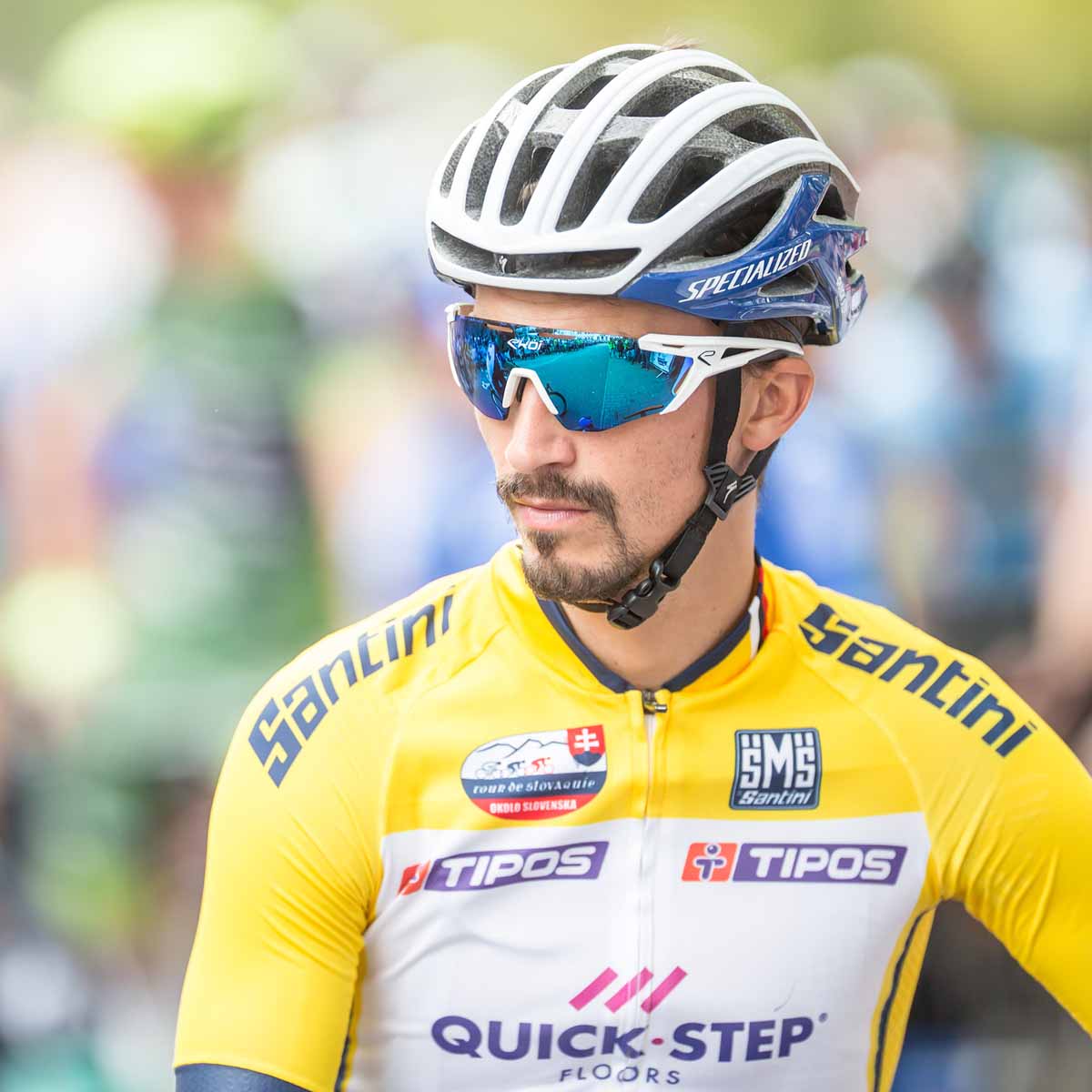

The Yellow Jersey, or Maillot Jaune, is the distinctive jersey worn by the leader of the general classification (GC) in the Tour de France. Established in 1919, the color was chosen to honor the yellow newsprint of L’Auto, the newspaper that founded the race. To wear the yellow jersey is to be the “Patron” of the peloton; it signifies the rider with the lowest cumulative time across the race’s 21 grueling stages. While many jerseys are contested in cycling—such as the Polka Dot for climbers or the Green for sprinters—the Maillot Jaune is the ultimate prize, representing a total mastery of mountains, time trials, and tactical endurance.
Earning the jersey is a feat of extreme physiological and psychological fortitude. In recent years, legends like Tadej Pogačar, Jonas Vingegaard, and Chris Froome have engaged in high-altitude warfare to secure it. The jersey is often “handed off” throughout the three-week race, but the only one that truly matters is the one worn on the final ceremonial lap of the Champs-Élysées. Beyond the Tour de France, the yellow jersey has inspired similar leader jerseys in races worldwide, but the original remains the definitive symbol of an endurance athlete at the peak of their powers. It is the most recognizable “trophy” in sports that isn’t made of metal, but rather of sweat, grit, and high-performance Lycra.