Track Cycling is a high-velocity, precision-based discipline of cycling held exclusively on a Velodrome—a specialized oval track with steep, banked curves. Unlike road or mountain biking, track cycling is conducted on fixed-gear bicycles that have no brakes and no freewheel, meaning the athlete cannot coast. For a cyclist, the track is the ultimate arena for refining mechanical efficiency, as the absence of external variables like wind or traffic creates a controlled environment where strategy, aerodynamics, and raw power are the only metrics that matter.
The sport is divided into two primary categories: Sprint and Endurance events. Sprint races, like the Keirin or the Match Sprint, focus on explosive “peak watt” output and tactical positioning. Endurance events, such as the Individual Pursuit, the Points Race, or the Madison, require sustained high-intensity efforts and sophisticated teamwork. Because track bikes are fixed-gear, riders must use their legs to both accelerate and decelerate, demanding an incredibly high cadence and “supple” pedaling technique that can also carry over to improved performance in a road race.
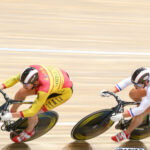
Beyond the physical requirements, track cycling is a game of high-speed chess. Athletes must master the “draft” in a tight group, often riding inches apart at speeds exceeding 40 mph. It is a discipline that prioritizes the “marginal gains” of aerodynamics and timing. Whether you are watching the Team Pursuit at the Olympic Games or utilizing a local velodrome to sharpen your cadence and cornering confidence, track cycling represents the intersection of human physiology and cycling physics.