
Altitude Training is a strategic physiological intervention where athletes live and train in environments significantly above sea level—typically above 5,000ft—to stimulate adaptive changes in the body’s oxygen-transport system. At high elevations, the partial pressure of oxygen is lower, creating a “hypoxic” environment. In response, the kidneys produce a hormone called erythropoietin (EPO), which signals the bone marrow to increase the production of red blood cells (hemoglobin). This natural boost in blood volume allows the muscles to receive more oxygen, effectively supercharging the athlete’s “engine” when they return to sea level for a their ‘A’ Race. There are three primary methodologies used by runners, cyclists and triathletes to harness these benefits:
Live High, Train High (LHTH)
The traditional approach where athletes stay and train at elevation.
Live High, Train Low (LHTL)
The gold standard for many, where athletes sleep at altitude to trigger red blood cell production but descend to lower elevations for high-intensity workouts. This allows for maximum physiological adaptation without compromising the raw speed and power of the training session.
Artificial Hypoxia
Using altitude tents or masks to simulate the environment while staying at sea level.
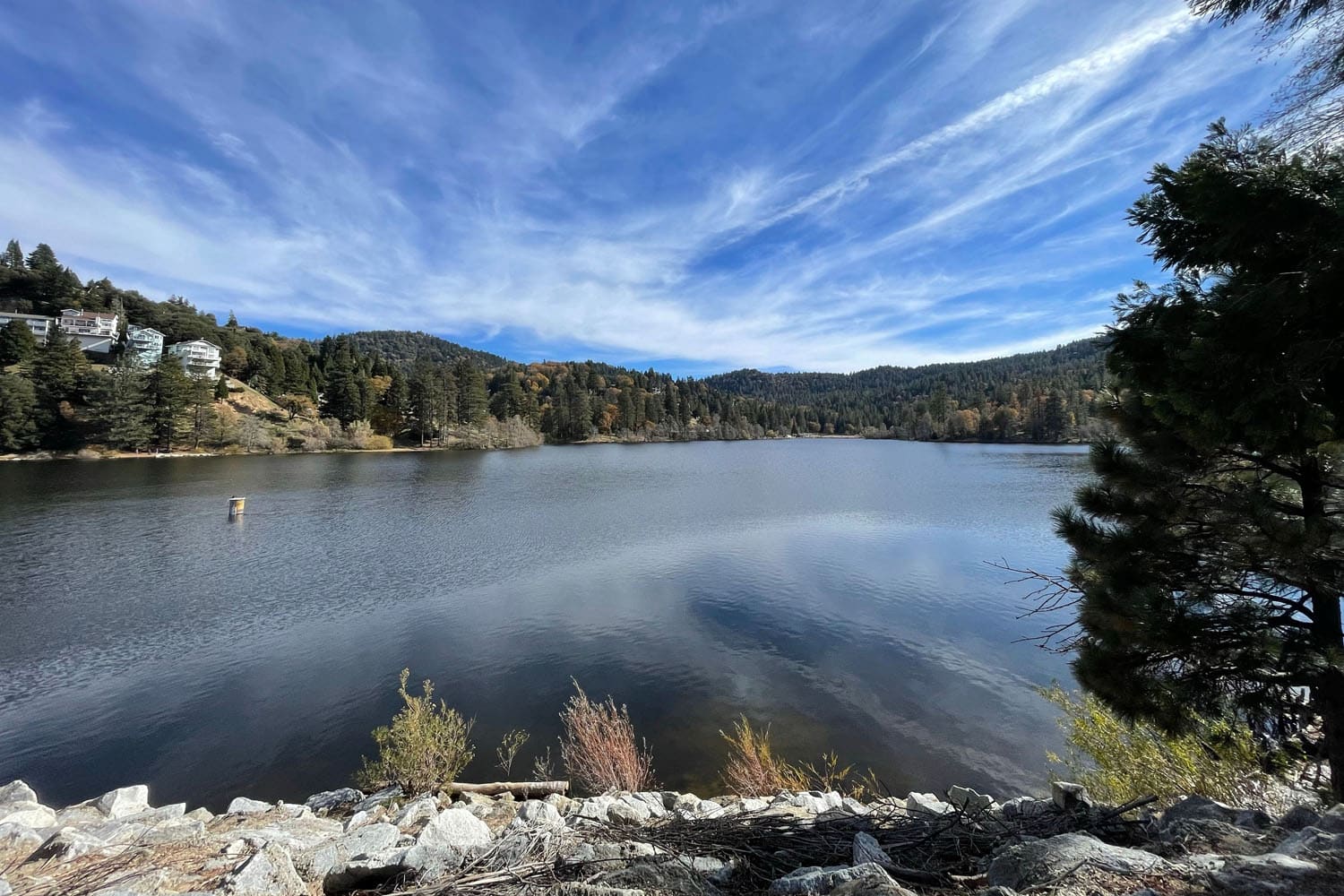
Training in the “thin air” requires a nuanced understanding of your Body IQ. Because oxygen is scarce, the heart must work harder to maintain a standard effort, meaning your usual “sea level” splits will be significantly slower. Using an Altitude Pace Calculator is essential to understand your expectations; a pace that feels like a recovery run at the coast might push you into Zone 3 in the mountains. Managing this transition is the core focus of training camps like the Ho’Omau Altitude Lake Haus, where high-altitude living is combined with expert-led sessions designed to prevent the common traps of altitude sickness, dehydration, and overtraining. When executed correctly, an altitude training block of can provide a measurable edge in VO₂max and endurance, transforming a strong athlete into a powerhouse.