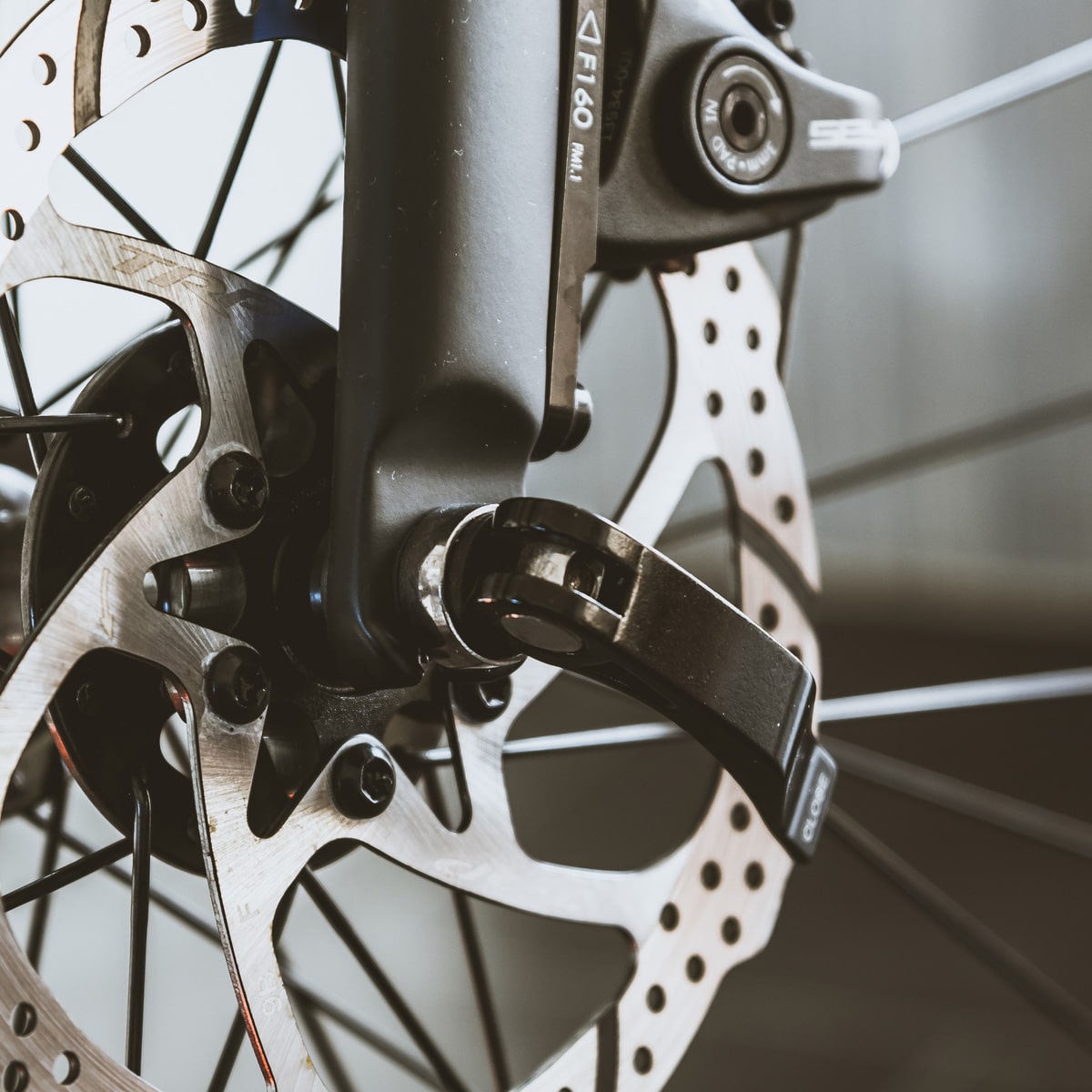
A Quick Release (QR) Skewer is a tool-free tensioning bolt used to secure a bicycle wheel into the “open dropouts” of a frame or fork. Invented by Tullio Campagnolo in 1930, the QR utilizes an internal cam mechanism operated by a hand lever, allowing for the rapid removal and installation of wheels. While largely superseded by the Thru-Axle in modern disc-brake ecosystems, the QR skewer remains the standard for rim-brake road cycling and vintage endurance rigs, valued for its simplicity and the speed it affords during a mid-race wheel swap.
Proper execution of the QR lever is a fundamental safety skill. The skewer must be tensioned so that the lever leaves a visible imprint on the palm when closed, ensuring the wheel remains centered under the high lateral loads of cornering and descending. In the high-stakes environment of a roadside mechanical, the “quick” nature of the skewer is a tactical advantage. However, as the industry moves toward higher-torque braking systems, the QR has moved from the cutting edge to a “legacy” status, replaced by the superior structural rigidity of the threaded thru-axle.