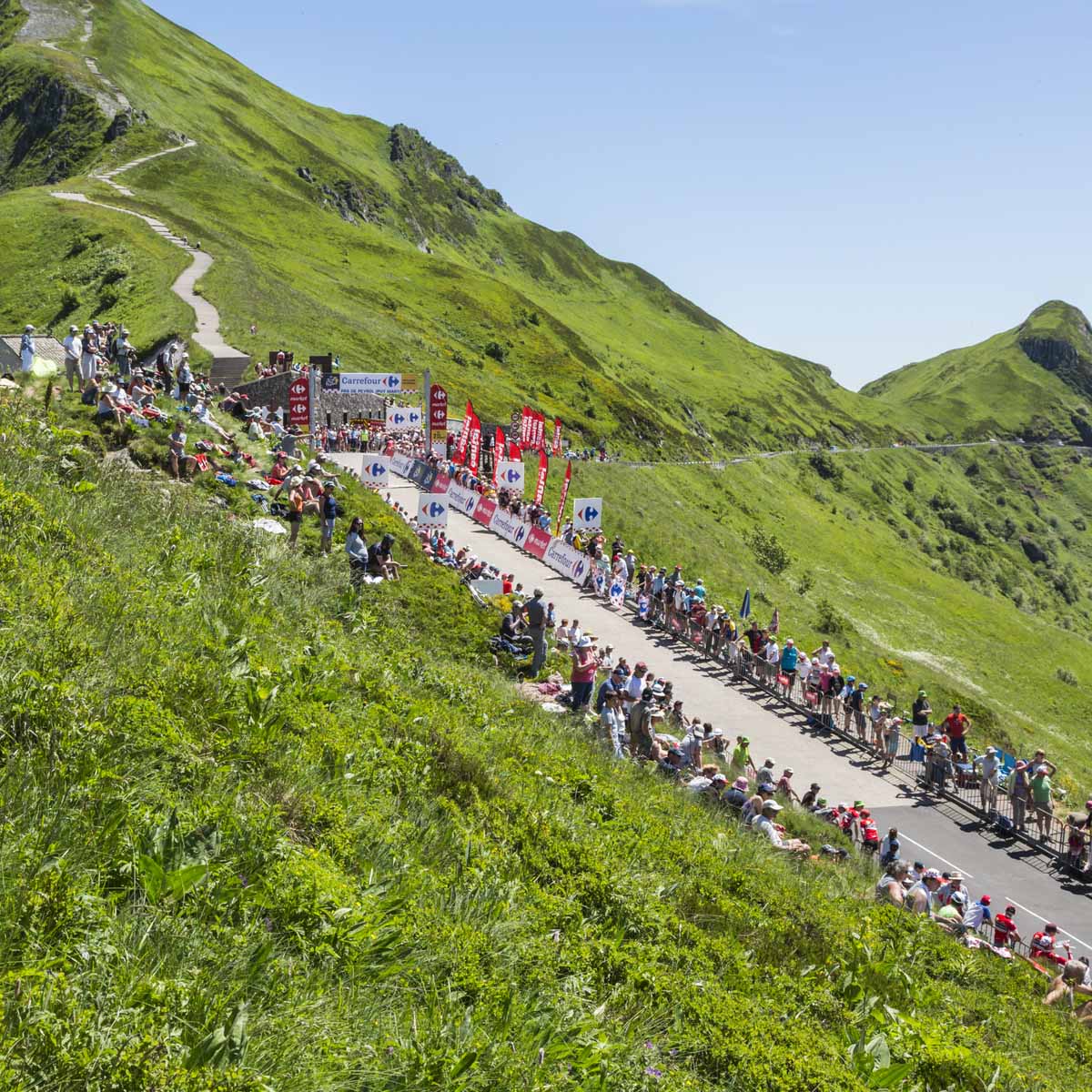
The Summit Finish represents the ultimate architectural crescendo in endurance racing, where the finish line is positioned at the apex of a significant mountain or categorized climb. While many races conclude on flat terrain, in cities, or a stadium setting, a summit finish forces the final decision to be made against the relentless resistance of gravity. In professional cycling—most notably in Grand Tours like the Tour de France—stages with iconic climbs like Mt. Ventoux are often designed to break the Peloton and force the contenders for the overall victory to reveal their true strength.
Physiologically, a summit finish is a “war of attrition.” Unlike a flat finish where drafting and sprinting speed dominate, a climb at the end of a long day tests an athlete’s sustainable power-to-weight ratio under extreme fatigue. For a Grimpeur, the summit finish is their primary theater of operation; it is where the “pure” climbers can gain minutes on heavier competitors who may have outpaced them on flatter sections. Because the speed of the ascent is relatively slow, the aerodynamic advantage of the main pack is minimized, leaving each athlete to face their own solitary struggle to the top.
While synonymous with cycling, the concept of the summit finish is also the defining characteristic of “extreme” or ultra-endurance events. In triathlons such as the Norseman, the race famously concludes at the peak of Mount Gaustatoppen, requiring athletes to navigate a technical, vertical scramble to the finish line. Similarly, in ultra-trail running and mountain challenges, finishing at a summit provides a psychological and symbolic weight that a traditional finish cannot match—the literal “top of the world” experience. For any endurance athlete, a summit finish is a test of their engine’s durability, requiring a masterclass in pacing to ensure they don’t empty the tank before the gradient reaches its steepest point.