

High-Altitude Multisport Diversity
Nestled at 5,200 feet in the San Bernardino Mountains, our Altitude ‘Lake’ Haus offers a premier training environment that rivals the thin-air benefits of Boulder or Mammoth. As a camp guest, you’ll wake up just steps from the pristine shoreline, beginning your days with crisp mountain air and glass-calm waters for open-water swim sessions. The location is strategically chosen for its “Live High, Train Higher” potential: our home base provides a stable altitude for physiological adaptation, while our training routes ascend to over 8,400 feet for maximum cardiovascular stimulus.
Beyond the metrics, Lake Arrowhead provides the mental reset necessary for elite performance. After crushing mountain intervals or scenic trail runs through the San Bernardino National Forest, the village’s quiet alpine charm becomes your recovery zone. Whether you’re finding active recovery on a paddleboard or enjoying the “campfire” Q&A sessions on our 7,500 sq. ft. estate, the environment is designed to ensure you return to sea level not just faster, but completely rejuvenated.

 62°C | °F
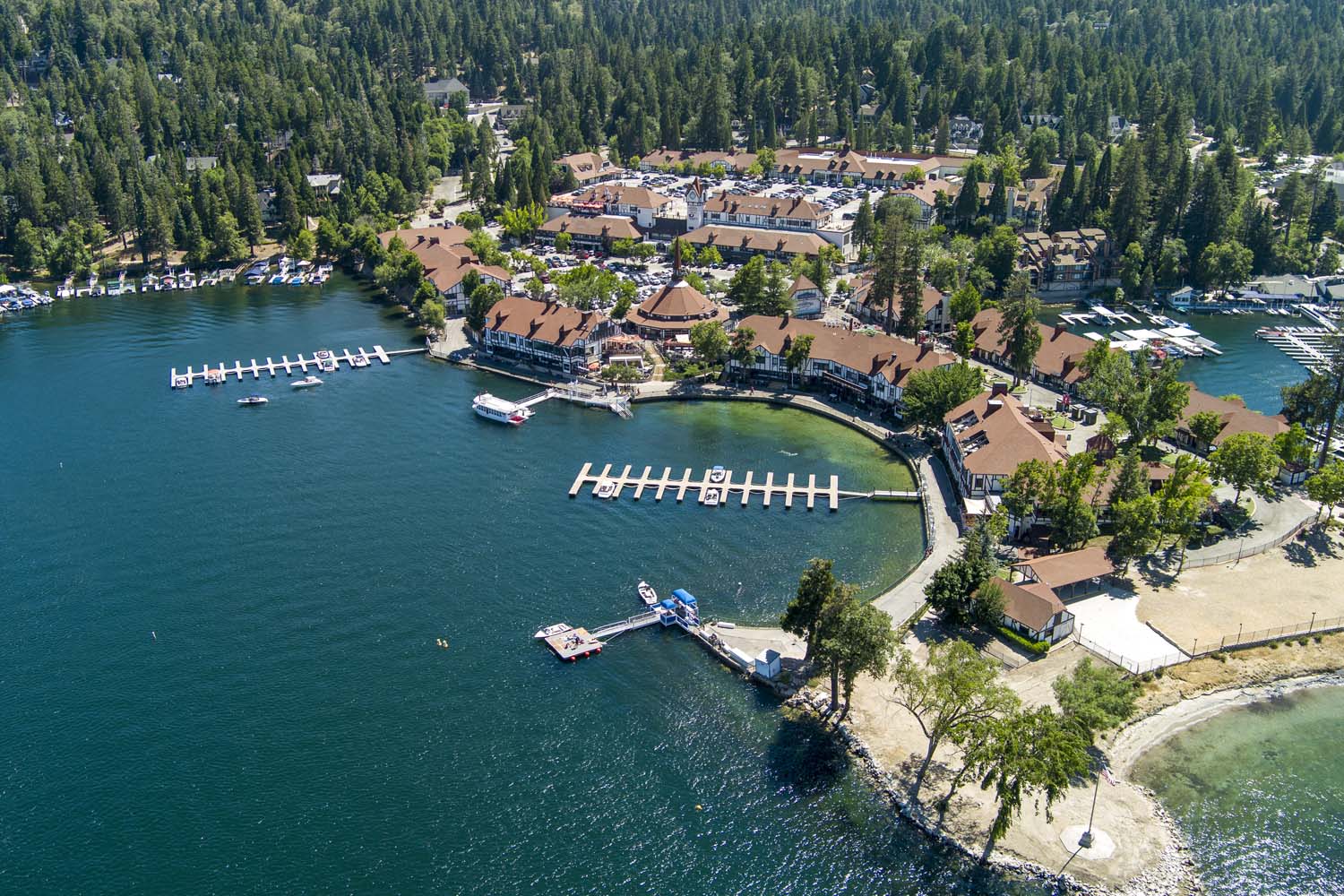
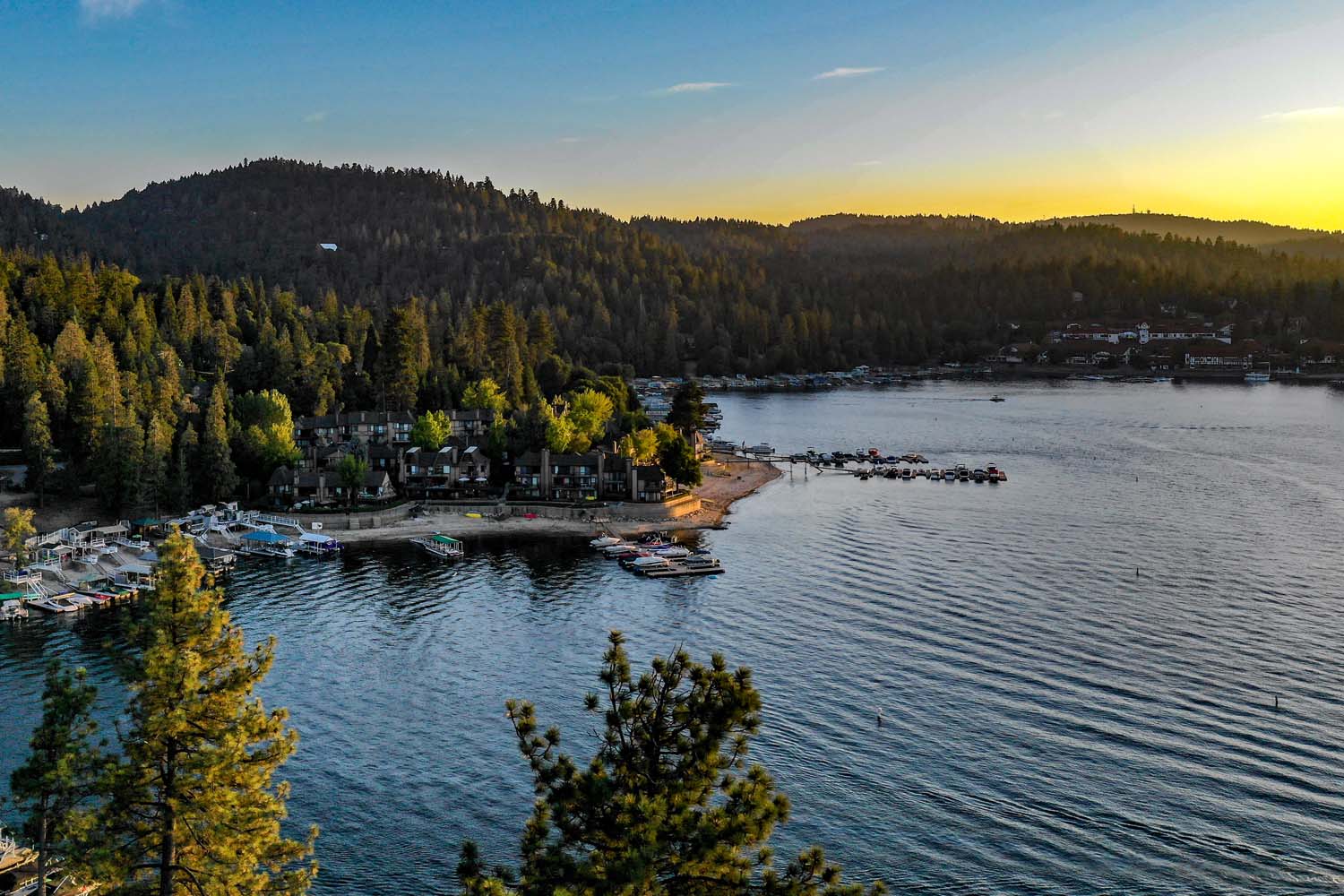
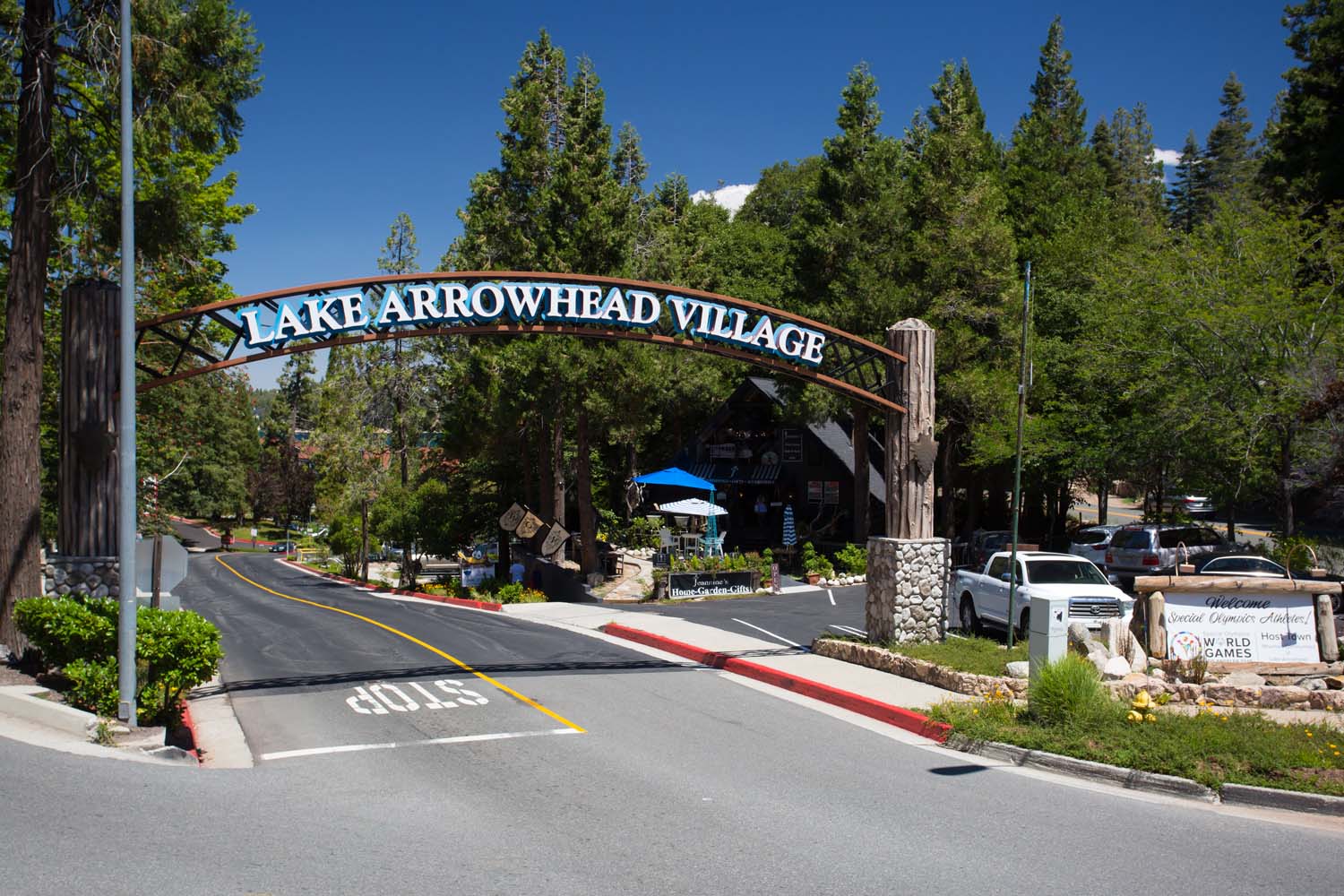
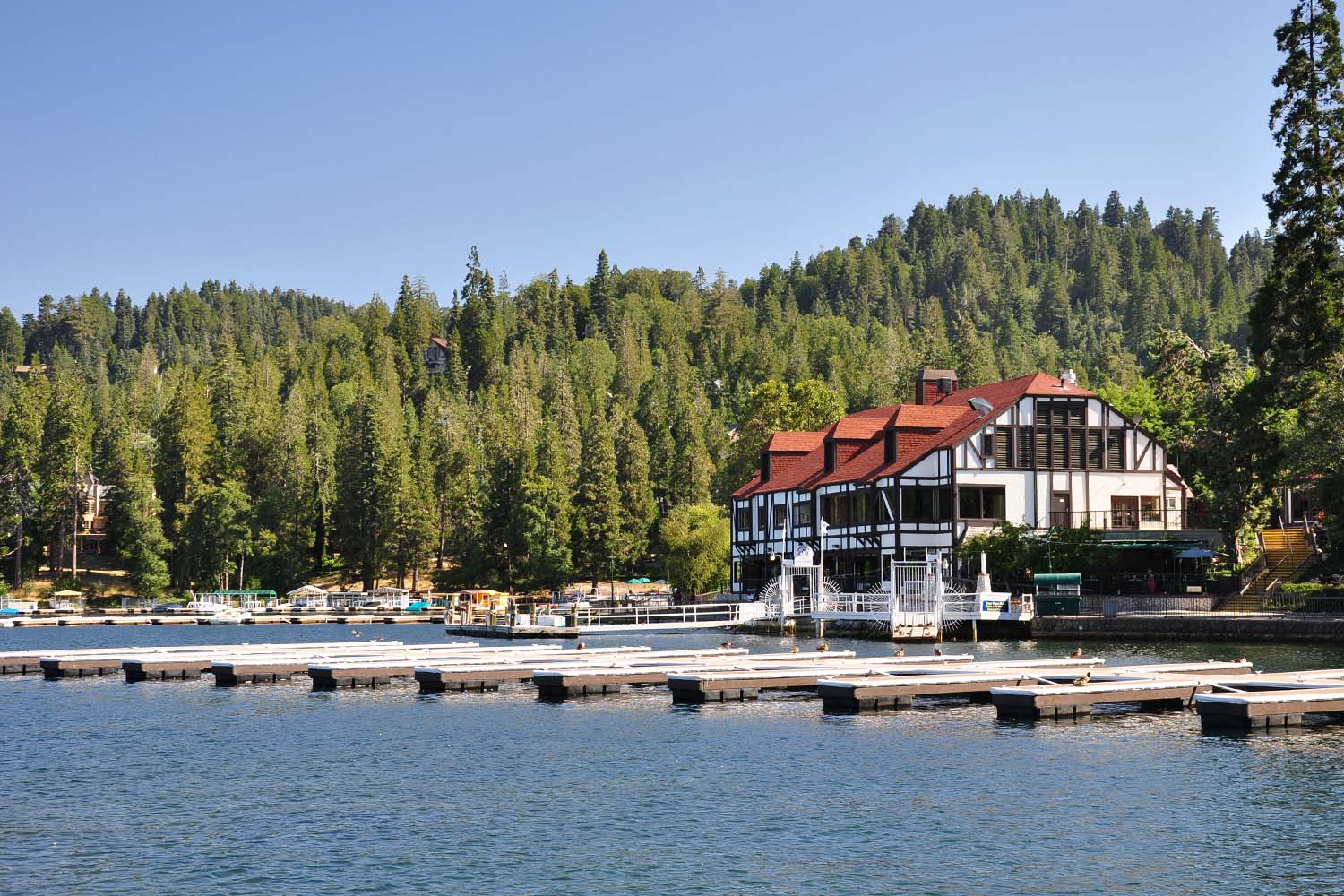
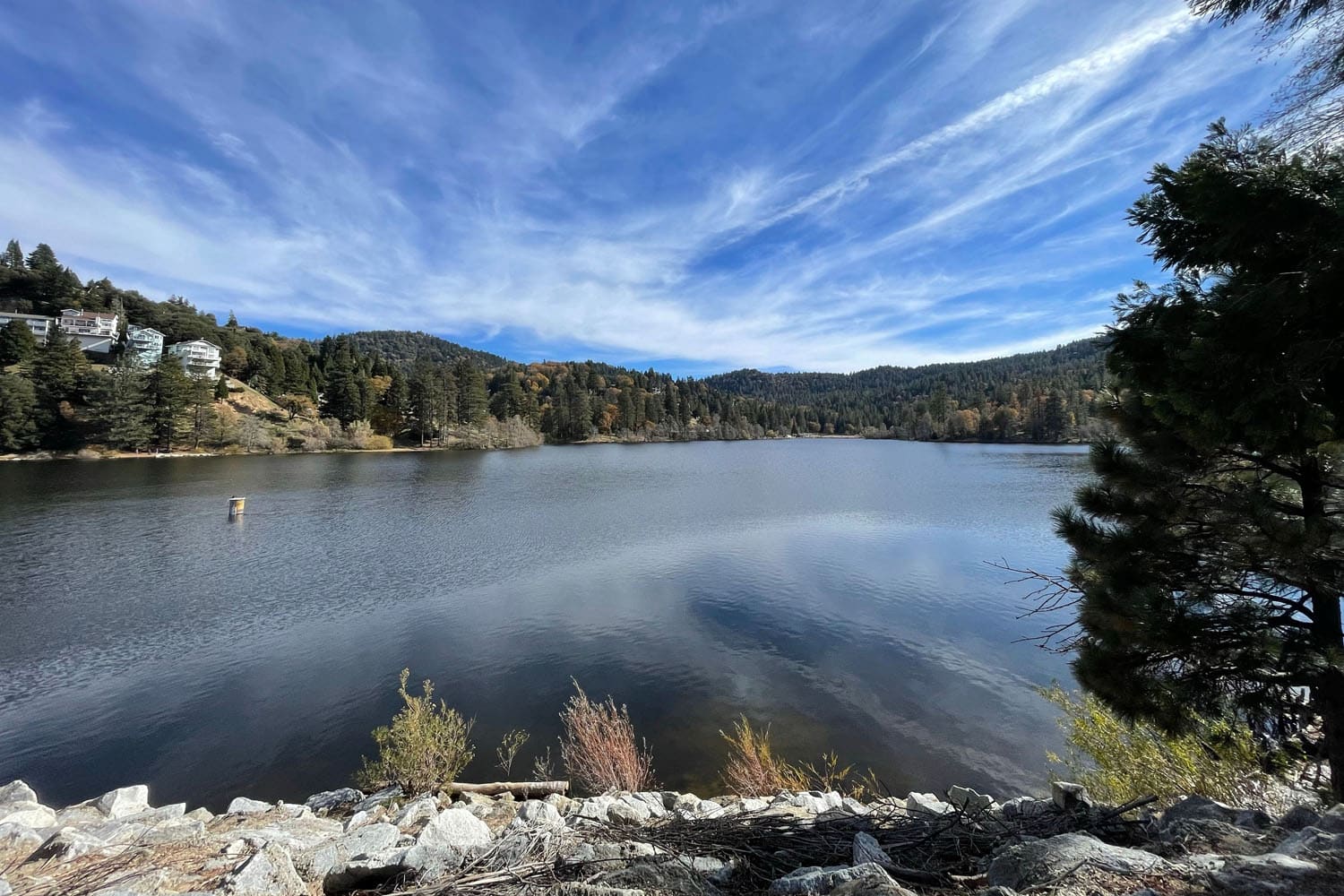
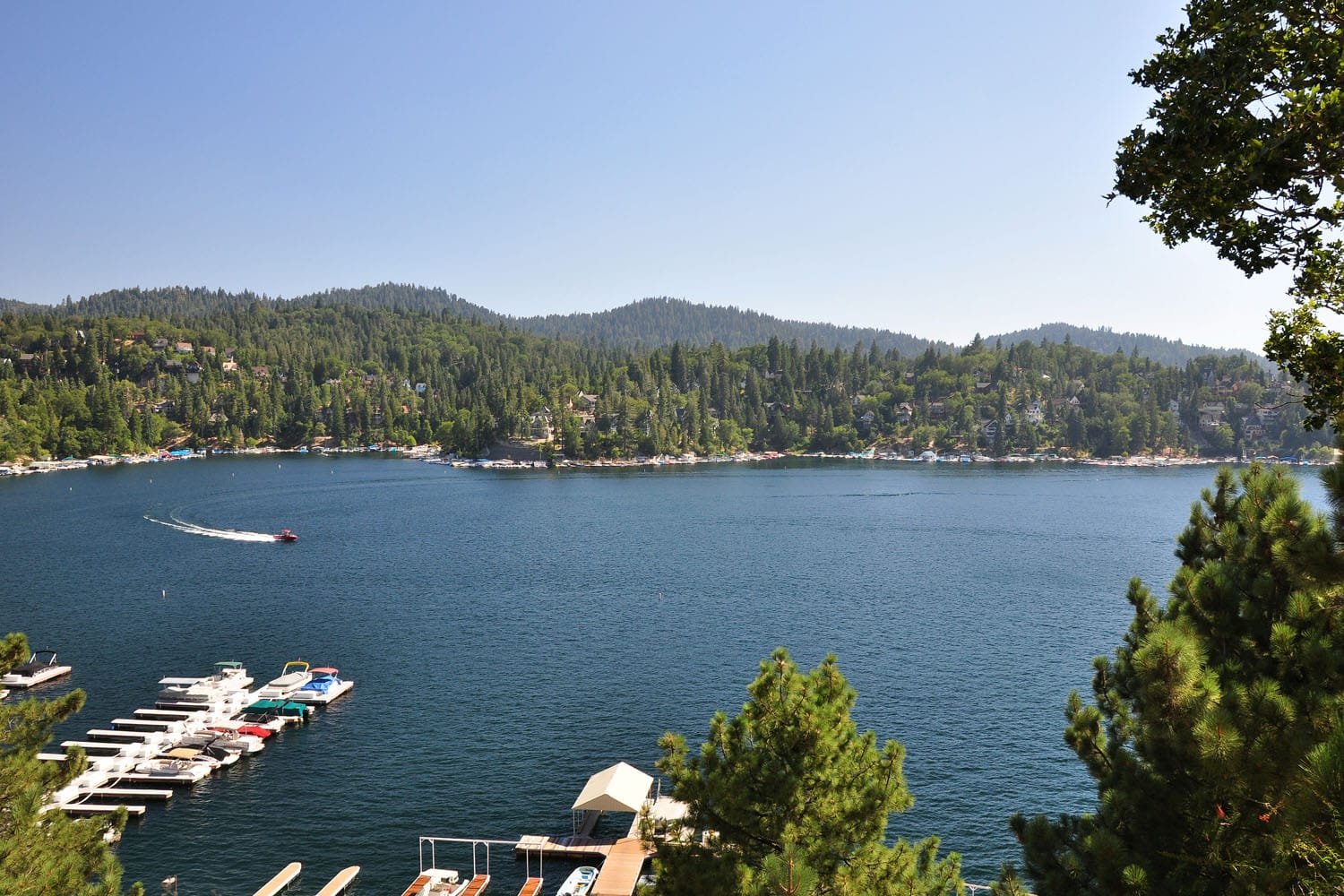
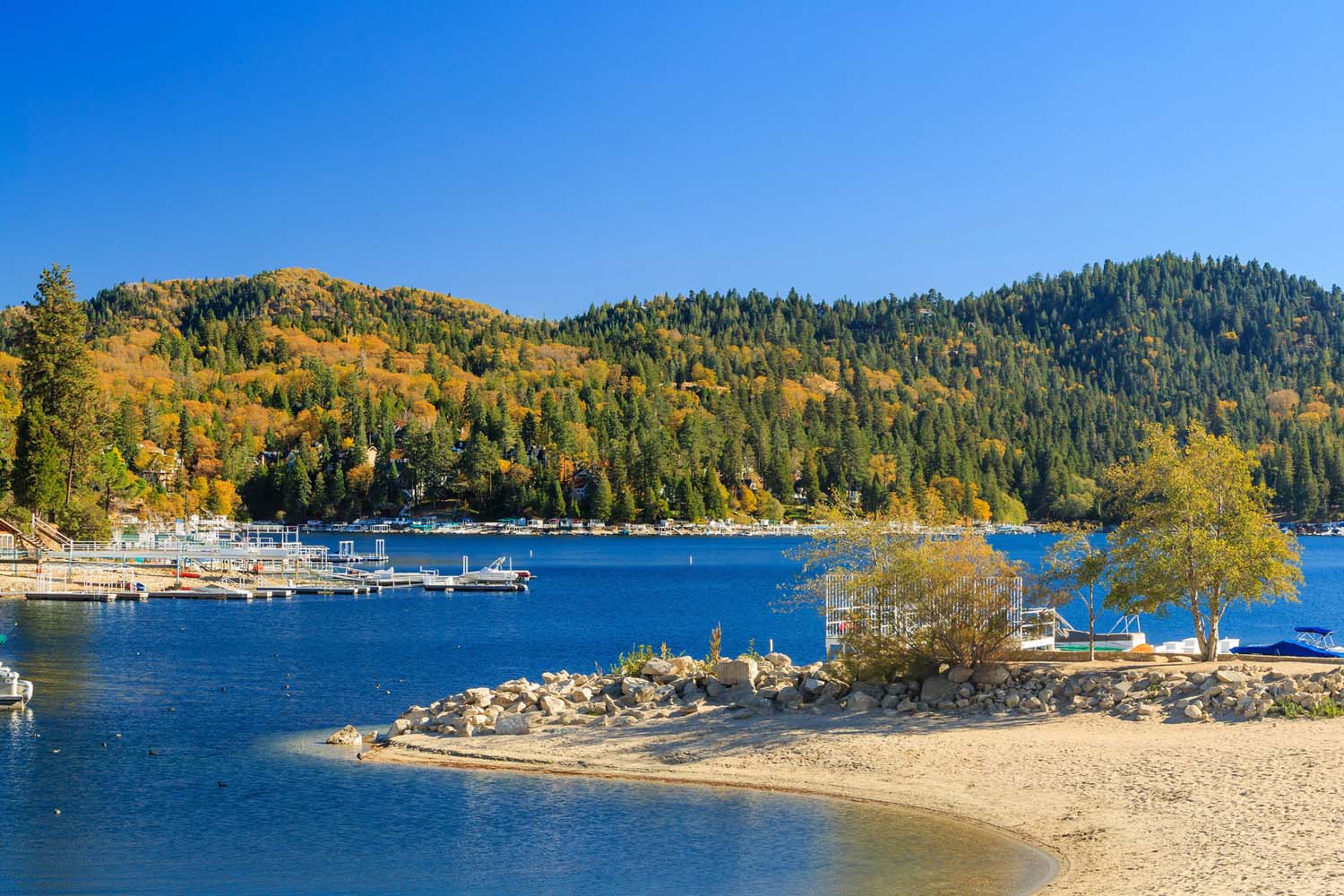
Situated just a one-minute walk from the historic Lake Arrowhead Village, our location provides a unique blend of high-performance training and alpine convenience. Just seconds away from the winding shoreline trail and the lake’s glass-calm morning waters, the village’s Water Ski School and local boat docks offer a classic mountain backdrop for our SUP-assisted swims and recovery hours.
Beyond the shoreline, the Haus serves as the ultimate “launchpad” for the some of the most iconic climbs in Southern California. From our doorstep, we have direct access to the Rim of the World Highway, allowing for long, sustained rides toward Big Bear at elevations topping 8K feet while the routes down into the San Bernardino basin provide thousands of feet of vertical gain to climb back to camp base. When the training day is done, the proximity to the Village means fresh groceries, local dining and a quick stroll back to the estate are all within reach—ensuring your focus stays entirely on acclimation and performance.
The Altitude ‘Lake’ Haus is a secluded alpine sanctuary that feels worlds away from the hustle of Southern California, yet it remains remarkably accessible for athletes traveling from across the Southwest. Reaching our mountain basecamp is a straightforward journey, though the final leg involves a scenic, winding ascent up the Rim of the World Highway (Hwy 18). This climb is your literal transition into a high-altitude mindset, offering sweeping views of the basin as you rise to our 5,200-foot home base. Whether you are driving in from San Diego, Las Vegas, or Phoenix, the journey is well-traveled and scenic. While the mountain roads are well-maintained, we recommend arriving during daylight hours to fully enjoy the views and get acclimated to the curves of the climb.
For those flying into the region, you have a variety of gateway options to suit your travel logistics. Ontario International Airport (ONT) is the primary hub for our camp, located just 40 miles away. It is the most convenient option, allowing you to go from the terminal to the Haus in approximately 1 hour. John Wayne Airport (SNA) and Palm Springs (PSP) both serve as excellent alternatives with drive times around 1 hour and 30 minutes. Los Angeles International (LAX) offers by far the most flight variety for those traveling internationally or from the East Coast, with a 2-hour drive to the Haus depending on your departure time.
Late August in the San Bernardino Mountains provides a premier environment for late-season training, but it is a landscape that demands a specific type of physiological respect. While the air at 5,200 feet is crisp and inviting, the reduced partial pressure of oxygen creates a subtle, constant stimulus on your cardiovascular system. Even at this “base” altitude, simple tasks can feel surprisingly taxing during the first 48 hours. We strategically utilize this window for acclimation, allowing your body to recalibrate before we ascend into the thinner air zones up to 8,400 feet, where the cardiovascular stimulus—and the potential for performance gains—is at its peak.
The mountain environment is deceptive, particularly as we move into the tail end of summer. While the shade of the San Bernardino National Forest offers a cool respite, the solar radiation at altitude is significantly more intense than at sea level. In the thinner atmosphere, UV exposure increases by approximately 10% for every 1,000 feet of gain. Even in late August, the “burn” can happen quickly and without the warning of extreme heat. Combined with the low humidity of the high desert-adjacent climate, your body will experience high rates of respiratory fluid loss. Just as in the Mojave, hydration here is a mechanical discipline; you must fuel and hydrate proactively to maintain cognitive sharpenss and muscle function throughout our 10-day block.
Perhaps the most critical component of the Altitude Haus experience is the “High-Altitude Sleep” factor. Research and our own prior camps have shown that the body requires more profound recovery cycles when adapting to elevation. You may find that your body naturally demands a later wake-up time or a longer period of non-sleep deep rest (NSDR). At Ho’Omau, we respect this physiological need. Our schedule is designed to allow for these extended recovery windows, ensuring that when we hit the roads for our SAG-supported rides or mountain intervals, you are not just adapted, but rejuvenated.